
The NBA’s 65-game rule, which prevents players from being eligible for awards if they don’t play a minimum of 65 games, has sparked frustration among fans. Many MVP front-runners may not qualify due to injuries, meaning this year’s MVP could be awarded by default. The rule was originally designed to boost ratings by encouraging players to appear in nationally televised games and motivating stars to play more. However, it has backfired because players who deserve awards may be ineligible. While MVP voters have historically considered games played, players under 65 games rarely won. Although the NBA plans to remove the rule next season, the damage has already affected the league.

Load management exists to protect players and maximize teams’ chances of winning in the postseason. Teams rest their star players strategically so they are healthy for the playoffs, which are more important than regular-season games. Understanding this shows that load management is not about laziness; it is a deliberate strategy to help teams succeed.
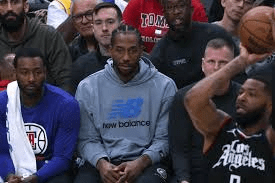
The NBA’s 65-game rule tried to reassure broadcasters and viewers that players would not sit out during nationally televised games. However, instead of solving the problem, it has cheapened the league and devalued awards. The attempt to fix load management issues has inadvertently hurt NBA viewership, as fans now see the league as less exciting and fair.

Load management also affects fans on a personal level. Many people spend a lot of money to attend just one game in a season, and if their favorite players are resting, it can be disappointing. When stars like Kawhi Leonard miss 10 or more games per season, fans are less likely to watch. This demonstrates that load management doesn’t just lower TV ratings—it impacts the overall fan experience and their connection to the game.
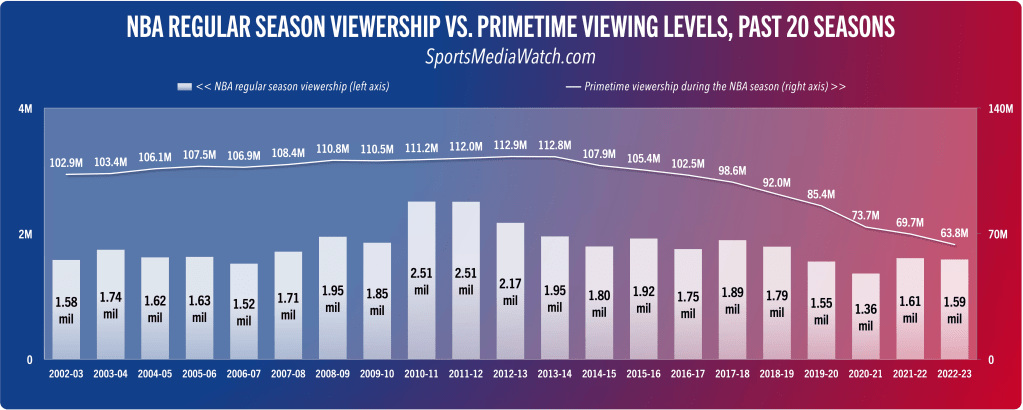
Consistency is key to keeping fans engaged. When fans are unsure whether superstars will play from one game to the next, the commitment to “must-see TV” diminishes. Fans want to watch their favorite players regularly, and load management creates uncertainty. This lack of reliability lowers overall NBA viewership and reduces excitement around games.
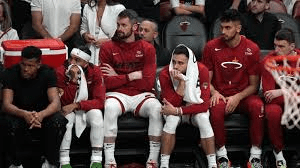
Finally, other factors, such as an increased focus on three-pointers and questionable officiating, contribute to declining ratings. However, load management remains a major reason fans tune out. Experts like Charles Barkley suggest that balancing rules and ensuring star players are available could bring fans back. Ultimately, having consistent, healthy, and visible players is vital for keeping the NBA exciting and maintaining high viewership.
 No Sleep Till Brooklyn
Leave a comment